
Crème Caramel
Treat yourself to this restaurant-worthy classic French dessert. My recipe for Classic Crème Caramel makes 4 silky smooth servings of luscious sweet custard with a rich caramel sauce. This recipe uses basic ingredients that you likely have on hand and is fairly easy to prepare once you learn the simple skill of "tempering" to ensure the eggs cook smoothly. If you love custard desserts, try my very popular Crème Brûlée Cupcakes. If you love chocolate custard, check out my Easy Chocolate Pastry Cream too!

WHAT IS CREME CARAMEL?
Crème Caramel is a classic French custard dessert made from eggs, sugar, milk and/or cream. It is traditionally flavored with vanilla, but can be infused with so many other flavors such as citrus, earl grey tea, coffee and cinnamon to name just a few. The custard is gently baked over a layer of hard caramel which forms a sauce once the set custard is turned out on a plate to serve. It has a very silky, soft texture like a creamy gel.
WHY YOU WILL LOVE THIS RECIPE
- Easy and quick to make - this is the easiest pastry cream recipe you will ever find because there is no tempering involved! This recipe uses a one pot method.
- Make ahead recipe - you can make this creme caramel up to 2 days in advance of using it. When I worked as a pastry chef, we would prepare these in advance and they would be even better the next day or two.
- Rich and creamy vanilla flavor - this is a great opportunity to use a fresh vanilla bean if you have one! Cream carries the flavor of all those little specks so nicely. If you don't have a vanilla bean it's not a problem - vanilla extract works great!
- Custard filling or topping - use this recipe as a filling for cupcakes or between thin layers of cake, or serve it on the side of a slice of pound cake with fresh fruit. You can also serve pastry cream as a dessert itself and crumble cookies and meringue into it with fresh berries!
- Thick luscious texture - the chilled cream is so thick and velvety. You can fold in whipped cream to make it light and airy.
WHAT IS THE DIFFERENCE BETWEEN CREME CARAMEL AND FLAN?
While both crème caramel and flan are custards and have similar textures and flavors, the difference is in the ingredients. Crème Caramel is made with eggs, milk and cream, whereas flan is made with sweetened condensed milk which serves as both the creamy element and the sweetener. These ingredients give full body, rich mouthfeel and flavor.

WHAT IS A WATER BATH?
Water Baths: Probably the most important aspect about making custard is to maintain a steady, even cooking environment to prevent the delicate egg proteins from cooking too quickly and curdling. Baking these crème caramels in a water bath prevents the custard from drying out, keeps the temperature around the ramekins uniform and also moderates the heat intensity since the temperature of water cannot exceed its boiling point (212°F).
Spun Burnt Sugar Garnish: To create the burnt sugar garnish, make the same caramel that you used for the hard candy layer that forms the top of the crème caramel. When ready, use a spoon to drizzle the amber liquid syrup, swirling it around in mounds over a parchment paper-lined baking sheet to form little nests. Let them cool completely until hardened and transfer to crème caramels immediately before serving.
WHAT IS THE DIFFERENCE BETWEEN CREME CARAMEL AND CREME BRULEE?
Although both desserts are again custard-based, they are prepared differently. Crème brûlée is a heavier richer dessert that contains mostly egg yolks and heavy cream instead of whole eggs and milk. It has a thicker consistency. After baking and chilling, sugar is added to the surface and brûléed with a blow-torch to nearly burn it on top and form a hard, cracking candy shell. This dessert is served in the ramekin that it was baked in.
A crème caramel is lighter in texture as it is made with a combination of whole eggs and yolks. It is soft with a wobble, similar to gelatin. It has a silky smooth texture that cuts like butter. The caramel is baked with the custard on the bottom so that when the dessert is inverted, the caramel becomes the top. Both desserts are served chilled.

INGREDIENTS FOR VANILLA PASTRY CREAM
- Vanilla bean - custard is a great vehicle for vanilla bean if you have one, but you can just as well use vanilla bean paste or pure vanilla extract. When using a fresh vanilla bean, slice it down the middle lengthwise and then use the back of a knife to scrape out all the tiny pearls from inside the pod. Once you master this recipe you can flavor it in so many ways - cinnamon, lemon, coconut, almond extract and more!
- Sugar - white granulated sugar will add sweetness while keeping the flavor clean and neutral so that the taste of the vanilla shines. You will also use sugar to make the caramel.
- Vinegar - a touch of vinegar will provide acidity that helps prevent the caramelized sugar from re-crystallizing.
- Milk - I use part milk and part cream to create the perfect texture that is creamy yet light.
- Whipping cream - use heavy whipping cream with 35% milk fat.
- Eggs - two large eggs and one yolk will set the structure of this cake to make a texture.

STEP BY STEP INSTRUCTIONS
- STEP 1). Make the burnt sugar caramel. Pour sugar in an even layer in the bottom of a small 1-quart saucepan. Combine water and vinegar in a small bowl and drizzle it around the inner edges of the pan. Place pot over medium to medium-high heat and cook until sugar is dissolved and mixture changes into clear syrup. Decrease heat to medium and continue to cook until mixture turns golden amber, swirling pan periodically for even coloring. Do not stir the mixture or the sugar will crystallize, and let it get deep-colored like a copper penny.
- STEP 2). Coat the ramekins. Immediately and carefully pour liquid caramel into the bottom of ramekins, dividing it equally and swirling ramekins to coat the bottoms evenly; set aside until the caramel has cooled and hardened completely.
- STEP 3). Make the custard. Heat the cream. Pour milk and cream into the same saucepan that you used to make the caramel (this way the excess caramel stuck to the pan will melt into the cream to give it extra flavor and there's no waste, plus less dishes!). Place pan over medium heat until it comes to a gentle simmer.
- STEP 4). Temper the eggs. Combine together eggs, egg yolk and sugar in a medium bowl and whisk until smooth. Add ¼ cup (60ml) of the hot milk mixture and whisk until smooth. Gradually add another ¼ cup (60ml) while whisking constantly. This slow addition of hot milk to cool eggs is called "tempering" as it brings the egg temperature up slowly to prevent curdling the proteins. Switch to a rubber spatula (to prevent excessive air incorporation and bubble formation) and add remaining milk while stirring constantly. Stir in vanilla extract.
- STEP 5). Fill the ramekins. Pour the mixture through a fine mesh sieve and into a large measuring cup or clean bowl and pour or ladle it into caramel-lined ramekins.
- STEP 6). Bake. Transfer ramekins to a deep glass baking dish. Add enough hot water to come halfway up the sides of the ramekins. Bake for about 20 minutes until the edges are set and the center is just slightly wobbly. A knife should come out clean when inserted in the centers.
- STEP 7). Cool and chill. Transfer baking dish to a wire rack and let ramekins cool completely in the water bath. Once cooled, refrigerate for at least 2 hours until completely set.
- STEP 8). Serve. Run a sharp knife around the inside edges of the crème caramel. Place a plate serving-side-down over the ramekin and invert so that the bottom of the ramekin is facing up. Gently remove the ramekin, giggling it slightly if necessary to let the custard come loose.

EXPERT BAKING TIPS FOR CREME CARAMEL
- Do not reduce the sugar - the right amount of sugar will contribute to the silky texture and will help prevent the eggs from curdling, so do not attempt to reduce it. Less sugar will likely result in a coarse-textured custard.
- Add the cream very slowly. Gradually whisking in the cream will ensure that the mixture is very evenly combined and there are no bits of egg that are no broken down.
- Don't over-whisk. If you whisk vigorously once you add the milk and cream, it will incorporate air which will create bubbles in the custard as it bakes. It's not a big deal, but it's best to avoid it for the best texture. Whisk very gently just to combine then leave the custard to settle for a few minutes and the foam will subside.
- Don't stir the caramel. If you disturb the sugar crystals then they can recrystallize one off the heat, avoid stirring and ensure the heat is medium to high.
- Let the caramel cool and harden completely before you pour over the custard. If the caramel is still warm, it will dissolve too quickly into the custard and you will lose that defined top layer.
- Sieve the cold custard before baking. For the utmost silky texture, pass the cold custard through a fine mesh sieve.
RECIPE FAQ
You can use whole milk or 2% milk. I wouldn't recommend skim milk as it will affect the final texture.
There isn't a good substitution for whipping cream in this recipe since we need the 35% milk fat that it brings.
Foam is caused by vigorous whisking. Don't over-whisk after adding the warm milk - just use the whisk to stir and combine evenly.
Yes, it is absolutely necessary to moderate the temperature to prevent over-cooking the eggs, and also to create a moist environment so the custards don't dry out.
Run a sharp knife under very hot water and then run it around the inside edges of the ramekin. Upturn the ramekin on to a lipped plate (to catch the juice), tap or jiggle the ramekin and it will eventually come out. You will know because the caramel syrup will start to flow down. Pull up the ramekin and voila!
Custard will curdle if it is over-cooked or cooked too quickly because the egg proteins will coagulate and the water will squeeze out from between them as they cross-link. Reducing the sugar and fat in a recipe will also increase the chances of curdling because sugar and fat protect egg proteins from coagulating.
The pastry cream will not set if you change the proportions such as reducing the sugar or less yolks. It may also not set if you undercook or overcook it. Egg proteins form a network as they set to trap the liquid and if undercooked, they will not gel, and if overcooked they will breakdown and no longer hold the water.
I do not recommend freezing crème caramel as it has a high water content and it will separate and the texture will not be smooth once it thaws.
You can find vanilla beans in most supermarkets or gourmet food shops. I purchase these ones online.
STORAGE
Keep creme caramel in the refrigerator in its ramekins for up to 4 days with a piece of plastic wrap directly spread across the top to avoid drying out.
If you're looking for recipes to use vanilla pastry cream, check out these recipes!
Sticky Toffee Date Cake The BEST Moist Chocolate Cake Recipe Moist Lemon Blueberry Bread Olive Oil Chocolate Bundt Cake Best Vanilla Cupcake Recipe with Chocolate Fudge Frosting Chocolate Chip Banana Cake with Creamy Milk Chocolate Frosting Blueberry Peach Upside Down CakeRelated recipes
Looking for more simple chocolate cake recipes? Try these:
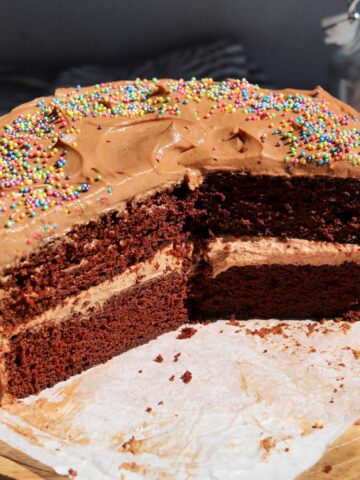
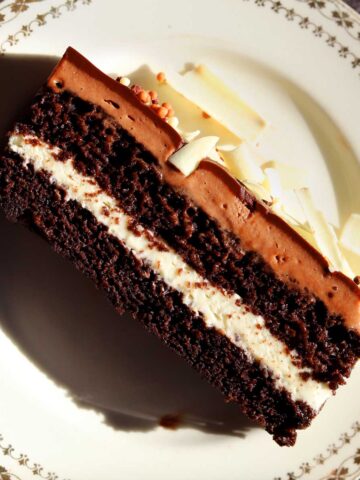
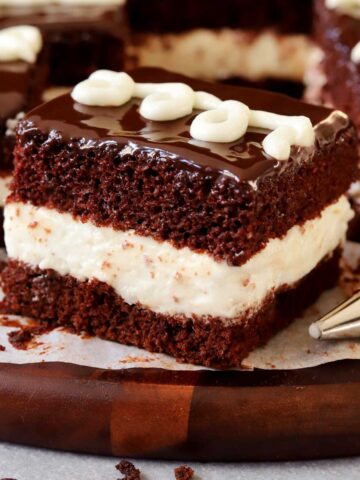
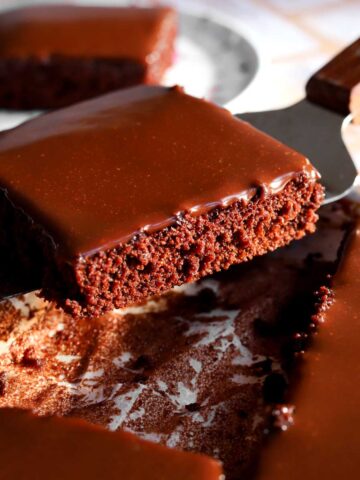
More chocolate!
Here are more recipes that use chocolate:


Classic Crème Caramel

Ingredients
Burnt sugar caramel:
- ½ cup (100g) granulated sugar
- 1 tablespoon (15ml) water
- ½ teaspoon vinegar
Custard:
- 1 cup (237ml) whole milk
- ⅓ cup (80ml) whipping cream
- 1 vanilla bean (or 1 teaspoon pure vanilla extract)
- 2 large eggs
- 1 large egg yolk
- ¼ cup (50g) granulated sugar
Instructions
- Preheat your oven to 325°F. Have ready four 3-inch round (6 oz) ramekins.
- Make the burnt sugar caramel. Pour sugar in an even layer in the bottom of a small 1-quart stainless steel saucepan. Combine water and vinegar in a small bowl and drizzle it around the inner edges of the pan. Place pot over medium to medium-high heat and cook until sugar is dissolved and mixture changes into clear syrup. Decrease heat to medium and continue to cook until mixture turns golden amber, swirling pan periodically for even coloring. Do not stir the mixture or the sugar will crystallize, and let it get deep-colored like a copper penny. Immediately and carefully pour liquid caramel into the bottom of ramekins, dividing it equally and swirling ramekins to coat the bottoms evenly; set aside until the caramel has cooled and hardened completely.
- Make the custard. Pour milk and cream into the same saucepan that you used to make the caramel (this way the excess caramel stuck to the pan will melt into the cream to give it extra flavor and there's no waste, plus less dishes!). If using a vanilla bean massage it to soften it and loosing the little seeds inside. Split it in half lengthwise using a sharp paring knife and scrape out those little seeds from both sides. Add the seeds to the pot and then add the scraped bean/pod as well. Place pan over medium heat until it comes to a gentle simmer.
- Meanwhile, combine eggs, egg yolk and sugar in a medium bowl and whisk until smooth. Add ¼ cup (60ml) of the hot milk mixture and whisk until smooth. Gradually add another ¼ cup (60ml) while whisking constantly. This slow addition of hot milk to cool eggs is called "tempering" as it brings the egg temperature up slowly to prevent curdling the proteins. Switch to a rubber spatula (to prevent excessive air incorporation and bubble formation) and add remaining milk while stirring constantly. Stir in vanilla extract at this point if you haven't used a vanilla bean. Pour the mixture through a fine mesh sieve and into a large measuring cup or clean bowl and pour or ladle it into caramel-lined ramekins.
- Transfer ramekins to a deep glass baking dish. Add enough hot water to come halfway up the sides of the ramekins. Bake for about 20 minutes until the edges are set and the center is just slightly wobbly. A knife should come out clean when inserted in the centers.
- Transfer baking dish to a wire rack and let ramekins cool completely in the water bath. Once cooled, refrigerate for at least 2 hours until completely set.
- To serve, run a sharp knife around the inside edges of the crème caramel. Place a plate serving-side-down over the ramekin and invert so that the bottom of the ramekin is facing up. Gently remove the ramekin, giggling it slightly if necessary to let the custard come loose.
Hi Christina, you suggest to use a vanilla bean - how should this be incorporated in the recipe? Thanks!
Hi Winnie! I would recommend adding the vanilla bean scrapings to the milk and cream. You can also place the empty pod into the mixture and remove after bringing to a simmer to extract even more flavor.
What temperature do you bake them at?
Maybe I missed that on the recipe?
Hi Ted, preheat your oven to 325°F (Step 1) and bake them at this temperature.