
How to Brown Butter
This article will teach you how to brown butter. It is easy! Once you learn how to make brown butter, you will be able to elevate your recipes. It has a very complex, nutty and almost savory flavor that results from the cooking process. You can use brown butter in many ways, including in cakes, frostings, fillings, cookies and bar recipes. Continue reading below to learn the science behind making brown butter and watch my video to see exactly how it is done. If you're looking for delicious recipes to use brown butter, there are many on this site! Check out these recipes: Brown Butter Snickerdoodles, Brown Butter Banana Coffee Cake and Brown Butter Blondies. Oh, and don't miss my viral Brown Butter Chocolate Chip Cookies.

WHAT IS BROWN BUTTER?
Brown butter is butter that has been cooked slowly until all of the water has evaporated and the milk solids turn brown. It is a classic French technique called "buerre noisette" which literally translates to "hazelnut butter", named after the nutty taste it has. Butter is a water-in-oil emulsion with approximately 16 to 20% water and 80 to 84% fat. Then there are trace amounts of milk solids, such as proteins and sugars (lactose) as well as some trace minerals. These proportions depend on the source and quality of the butter.

WHAT GIVES BROWN BUTTER ITS FLAVOR?
During the cooking process, after all of the water has evaporated from the butter, the amino acids form the milk proteins and the milk sugars react together in a reaction called "Maillard Browning" where they transform and create delicious flavor compounds that taste toasty, nutty, savory and coffee-like. Sometimes they even taste chocolaty. This Maillard reaction also creates brown color compounds which is why the milk solids will turn brown in the process. This is the same reaction that happens on the crust when baking bread, making cookies and even searing steak. Brown butter can add a premium, gourmet flavor to a lot of baked goods.

INGREDIENTS FOR BROWN BUTTER
There's just ONE! All you need to make brown butter is butter itself.
- Unsalted butter - you can brown unsalted butter and salted butter with equal results. Unsalted butter will lend a sweeter taste and is ideal for frostings and cake recipes. Look for high quality butter if you intend to brown it because lower quality butter tends to have a higher moisture content and it will take longer to brown which often leads to burning.
- Salted butter - browned salted butter will have a very rich savory taste. I love to use it for my famous Chewy Brown Butter Chocolate Chip Cookies.

STEP BY STEP INSTRUCTIONS
- STEP 1). First melt the butter. Place it in a small light-colored 1-quart stainless steel saucepan over medium-low heat and stir until completely melted. Allow butter to come to a boil, stirring constantly. It will bubble and crackle as its water content evaporates.
- STEP 2). Cook the butter. Continue to cook, stirring frequently, until the crackling noises begin to fade and the bubbles subside. A dense foam will form at the surface as the last bit of water squeezes out, and the color will progress from golden yellow to tan and finally, brown. This takes around 8 to 10 minutes. Keep a close eye on it as butter can turn from brown to burnt within a matter of seconds.
- STEP 3). Immediately remove from heat. Once you smell that nutty aroma and begin to see little brown bits as you stir, take the pan off the heat and immediately pour the brown butter into a medium heatproof bowl. (If you happen to cook it too far and the brown bits are now (burnt) black bits, you can strain the butter through a fine mesh sieve or a cheese cloth to remove them, as they can impart a bitter flavor to your dessert). Let it cool to room temperature and then place it in the refrigerator if not using immediately.

HOW TO MAKE BROWN BUTTER

Place butter in a light-colored saucepan over medium-low heat.

Stir or swirl the pan until the butter is completely melted.

Increase heat to medium and let it come to a simmer.

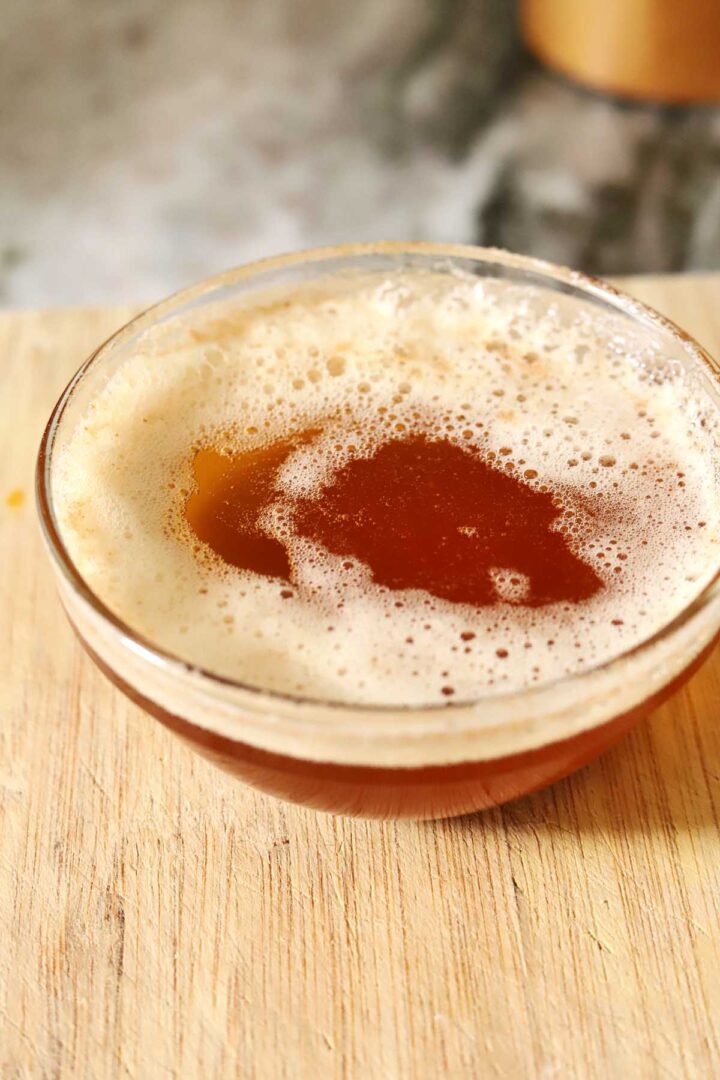
Once simmering, it will crackle and foam. Stir frequently until the foam subsides.

The foam will subside and brown bits will surface as you stir. Lower the heat to control the cooking until the brown bits are amber but not black.

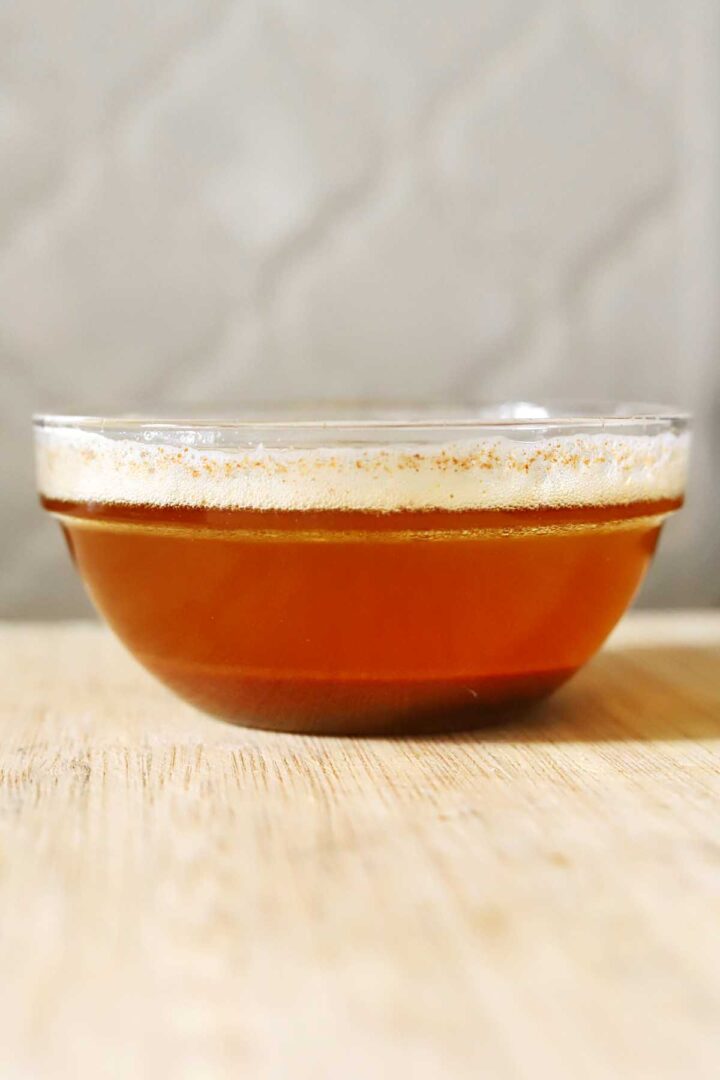
Once ready, pour it immediately into a clean bowl and allow to cool.
EXPERT TIPS
- Use high quality butter. It's not entirely necessary as you can brown any dairy butter, but milk fat varies depending on quality. High quality butter will have up to 85% fat whereas lower quality varieties can have 80% fat. The difference is that lower quality butters with more moisture will take longer to cook and often it is easier to burn it. You will also have less yield once you finish browning it since there is less overall fat.
- Have patience and do not walk away. The longest part of the process is when the butter is bubbling as the water is evaporating. Once it appears foamy, this is a sign that the evaporation process is ending and almost all of the water has been eliminated.
- Stir occasionally. It is important to stir once in a while since the milk solids can catch at the bottom of the pan and ultimately burn.
- Do not over-cook. Brown butter turns to burnt butter very quickly. Monitor it closely especially at the end once the foam subsides. Burnt butter can taste bitter, acrid and rancid.
- Use a light-coloured pan. The "brown" part in brown butter is caused by a complex reaction between lactose and amino acids from milk proteins, called Maillard browning, which ultimately produces a nutty, toffee-like flavor that is completely unlike the creamy nature of fresh butter. It imparts richness to just about anything it is added to. When making brown butter, use a light-colored pan so you can keep track of the color transformations as it cooks. Stir or swirl the pan occasionally for even browning.

RECIPE FAQ
You can brown unsalted or salted butter, but the best results come from high quality butter that has a higher milk fat content above 82% fat, such as European style butter. Inexpensive butter is fine to brown, however it contains more water and thus more milk solids so that it will take longer to cook and is easier to burn.
If you cook the butter for too long, the proteins will burn and will taste unpleasant. You can try to strain out the burn solids, but you may need to discard it if the flavor has penetrated the clear butter fat.
If your brown butter becomes black butter, the only way to salvage it is to pass it through a fine mesh strainer or cheesecloth to remove the burnt bits. If it is very burnt, then the flavor will penetrate the milkfat and it may taste rancid. Once it is strained and cooled, be sure to taste it to ensure it tastes acceptable.
Brown butter will keep for 1 week in the refrigerator. You should store it in an airtight container.
Brown butter has so many uses! You can use it to make cookies, cakes, bars and frostings. Check out some of my popular brown butter recipes: Brown Butter Snickerdoodles, Brown Butter Banana Coffee Cake and Brown Butter Blondies.
You can prepare brown butter ahead of time. Since butterfat is solid at room temperature, the browned butter will solidify and be very hard since it is pure fat with the water removed. To use it, melt it gently or bring to room temperature before using in your recipe.

STORING AND FREEZING
Store brown butter in an airtight container in the fridge for up to 1 week.
Yes, you can wrap cooled and solidified brown butter in plastic wrap (I like to form it into a log), place it in a freezer bag and freeze for up to 3 months.
Here are some recipes where you can incorporate brown butter:
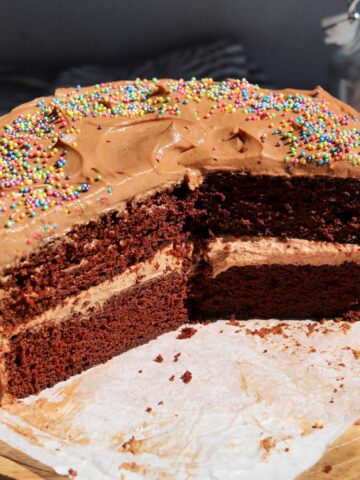
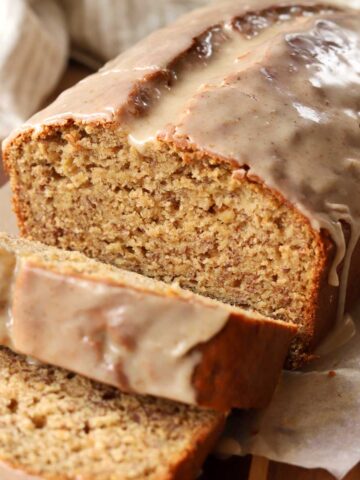
Ultimate Moist Chocolate Fudge Cake Lemon Pistachio Cake Sticky Toffee Date Cake Moist Lemon Blueberry Bread Olive Oil Chocolate Bundt Cake Best Vanilla Cupcake Recipe with Chocolate Fudge Frosting Chocolate Chip Banana Cake with Creamy Milk Chocolate Frosting Blueberry Peach Upside Down CakeBaking with brown butter
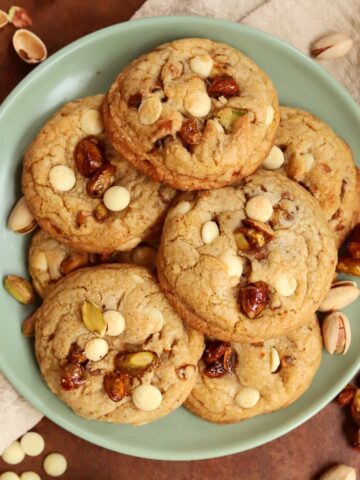
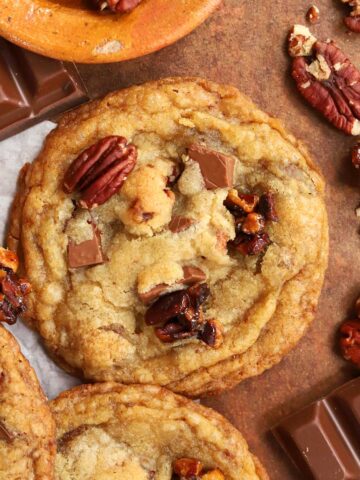
Looking for delicious recipes that use brown butter? Try these:
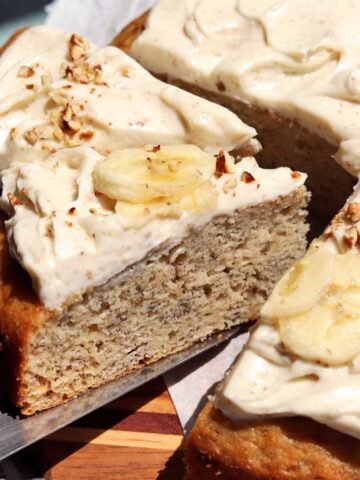
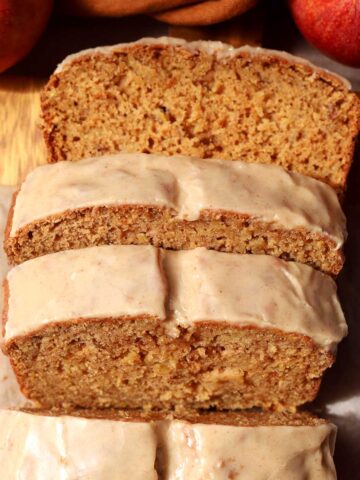

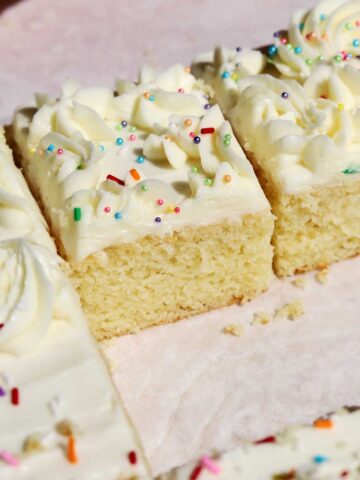
Video
How to Brown Butter


Ingredients
- ½ cup (113g) unsalted or salted butter, cut into 1 Tablespoon sized pieces
Instructions
- NOTE: The browning process proceeds rapidly once the water begins to evaporate, so don't leave the stove unattended. Have a heatproof bowl next to the stove ready to decant the butter. Do not taste it as it will be very hot.
- First melt the butter. Place the butter in a light-colored 1-quart stainless steel saucepan over medium-low heat and stir until completely melted. Increase heat to medium and allow butter to come to a boil, stirring constantly. It will bubble and crackle as its water content evaporates. Cooking over medium heat ensures the butter cooks gently and evenly.
- Cook the butter. Continue to cook, stirring quite frequently, until the crackling noises begin to fade and the bubbles subside. A dense foam will form at the surface as the last bit of water squeezes out, and the color will progress from golden yellow to tan and finally, brown. Continue stirring through the whole process. The milk solids at the bottom of the pan will be amber brown. It will smell intensely buttery and nutty. This takes around 7 to 10 minutes depending on the quantity of butter. Keep a close eye on it and continue stirring as butter can turn from brown to burnt within a matter of seconds.
- NOTE: if you rush the process, the result with be yellow liquid fat with brown milk solids instead of golden amber liquid butter oil with brown milk solids. A slow cooking process allows the butter oil to color and take on flavor. Rushing the process will cook the solids before the butter has time to develop flavor.
- Once you smell that nutty aroma and begin to see little brown bits as you stir, take the pan off the heat and immediately pour the brown butter into a medium heatproof bowl. (If you happen to cook it too far and the brown bits are now (burnt) black bits, you can strain the butter through a fine mesh sieve or a cheese cloth to remove them, as they can impart a bitter flavor to your dessert). Let it cool to room temperature and then place it in the refrigerator if not using immediately.

Very well explained
Thank you Karen!
Very informative. Thank you for the thorough instructions!
You are welcome Sally!
Having never browned butter on purpose before, this recipe was easy to follow. I'm anxious to try it again since I browned butter so I could feed some Brown Butter Snickerdoodles to a friends family. I mistakenly gave them all the cookies. Oooops! Oh well I'll be browning butter with my new found skills and this recipe method again and again I'm sure
Lol! Thanks Mike!
Hello Christina, thank you for this recipe! I'm gonna try your choco chip cookie recipe with brown butter soon! Also, while searching for a cookie recipe, I watched a YouTube baker who said we can add powdered milk while browning the butter to add brown milk solids. Is it okay? The taste became milkier with that, but I wonder if the browning process is still okay with added powdered milk. Thank you so much!
Hi Nica! The main concern is it will be easier to burn during the browning process, but you are welcome to try.
I made these cookies yesterday as part of a dessert selection for a dinner party I was having. While I didn't try one myself, the comments from my guests were that they were amazing and one of the best cookies that they had ever tried. It's takes patience waiting for the butter to be browned and perfect and it appears it was well worth wait. I used Lindt 70% dark chocolate which made them even more amazing.
Definitely recommend that everyone make these.
Thank you Janet!
The best explanation.
Thank you for your videos and the simple way you explain the recipes <3
You're welcome Mar! Thanks for the kind feedback.
To brown the butter how can it be done in the microwave - time and temperature? I've always loved all your recipes and they all turn out perfectly ❤️.
Thanks F.N. Hassen! I wouldn't recommend using a microwave for that, as it can be quite dangerous. I recommend to use a saucepan on a stovetop.
Hi!! Since the water evaporates from the butter, should there be 140 grams of brown butter or just 140 grams before browning ?
Hi Kaitlyn! I assume you are asking about the Brown Butter Chocolate Chip Cookie recipe, which in that case you want to start with 140g of butter (before browning).
That’s a really great question, I didn’t even consider it but thanks for asking! And for the response too Christina
Hi, after browning the butter, from 140g, how much butter should remain after browning it? Thank you!
Hi Sara! Browning will cause about an 18% loss in weight (in the form of moisture), so the remaining will weigh approximately 115g.
Hi, Ms Christina!
Appreciate your response! Thank you. One last question, what type of milk is best to use? Since browning the butter lose it’s moisture, is 15ml of milk will be enough to replace it?
Hi Sara! 2% or whole milk is my preference. The amount of milk to replace the moisture depends on the amount of butter you are browning as well as the recipe. In some cases you don't need the full 18% moisture replacement.
The last sentence is incomplete: Let it cool to room temperature and then place it in the refrigerator, stirring
Hi Chuck, sorry about that. It has been corrected.