
Authentic Thai Mango Sticky Rice
This Mango Sticky Rice recipe is so easy to make at home and it is seriously delicious with sweet, salty, chewy sticky rice and fresh sweet mango with thick coconut cream sauce. It is probably the most popular Thai desserts known worldwide and here is my recipe that I learned while taking cooking classes in Chiang Mai in the Northern part of the country. Thailand is one of those countries that I can't stop coming back to. I've traveled to many countries all over South East Asia, but Thailand always pulls me back. I have travelled there more than 20 times! What is it that makes me love it so much? If I had to put words to a feeling, I would say the hospitality and the FOOD! If you want to try more Thai dishes at home, check out my recipe for Authentic Thai Curry Paste.

WHY THIS RECIPE WORKS
- Simple ingredients - you only need a few simple ingredients to make this delicious dish. The main ones are coconut milk, sweet sticky rice and ripe mango.
- Texture contrast - the chewy sticky rice paired with the smooth, soft, silky mango is a lovely combination.
- Flavor contrast - salty and sweet! This sticky coconut rice uses a surprising amount of salt, but it's to balance the sweetness and enhance the coconut taste. Trust me, it works!
- Rich coconut rice - the rice absorbs all of the rich coconut cream and tastes unlike any rice you've ever had.

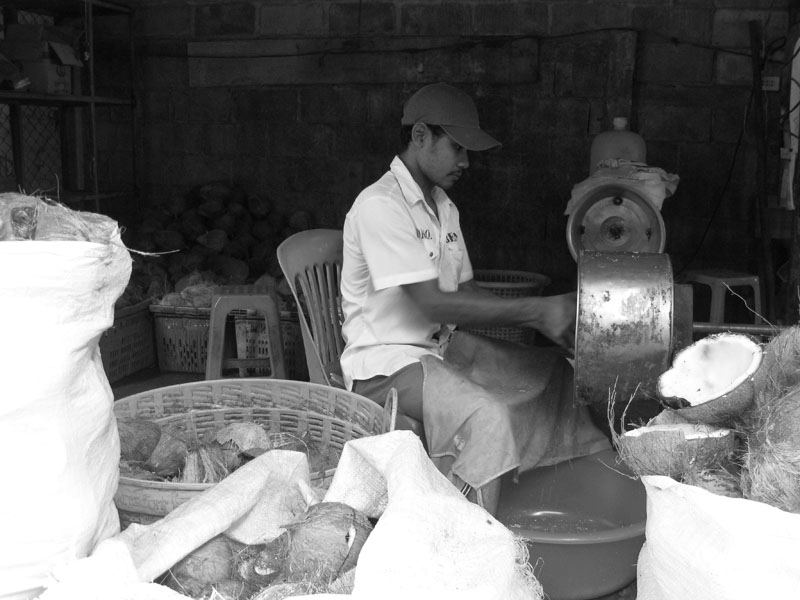
A staple of Thai cuisine is fresh coconut milk to make their array of curries, and by fresh I mean super fresh! You can see it being grated all throughout the day. To make milk or cream, the fresh coconut is soaked in boiling water and then squeezed to extract all of the rich coconut fat.

INGREDIENTS FOR THAI MANGO STICKY RICE RECIPE
Here are some notes on some of the key ingredients for this recipe. For a full list of ingredients, scroll down to the recipe card at the bottom of this post.
- Sweet sticky rice - there are so many types of sticky rice out there. This particular rice should have "product of Thailand" on the package and is often labeled as "sweet sticky rice". It is different than sushi rice which is another type of short grain rice.
- Sugar - you need regular white sugar for this recipe. Sometimes I also add a bit of coconut palm sugar which gives it another element of floral flavor, but white sugar works perfectly well.
- Coconut milk - look for full fat coconut milk. The only brand I use is Aroy-D. It is the best!
- Salt - this is so important! You need quite a bit of salt for the coconut milk mixture that you pour over the rice. Don't hold back.
- Sesame seeds - this is optional, but toasted sesame seeds add a wonderful nutty note. In Thailand, they typically use fried mung beans.


WHAT IS MANGO STICKY RICE?
Mango with Sticky Rice is a traditional Thai dessert made from sweet sticky rice steamed until perfection and soaked in sweet and salty coconut milk until it absorbs it through and through. It is served with freshly sliced mango and extra coconut cream. You will drool and since I want you to taste this too, you can make it at home with the recipe below!
I don't even know if I can explain in words how incredible this dish is that I'm presenting to you today. Really. I fear that no matter what I say, all you will see is rice and a mango. This is the most incredible thing ever and I learned how to make it during a cooking course in Chiang Mai, Northern Thailand from a lovely Thai lady named Nancy. This rice is steamed to chewy perfection and then soaked in a sweet and salty thick coconut cream. Can you wrap your head around it?
Salt is key. Salt and coconut is so freakin' good. And then there's palm sugar which is made from the sap of coconut palm trees. It is ridiculous. It has an almost tangy acidity to it and the closest substitute I can think of is honey. But please... seek out palm sugar. You can find it at Asian grocery stores and it is sold in hard puck form. It has a light brown color. You will be happy you did.
I remember the first time I tried this and I swear I saw stars. It is just so simple but so spectacular. I think that's what makes it great - you would never think it could carry that much flavor. First the sticky rice needs to be soaked in water overnight. You'll notice that the grains will be translucent when they are ready. This lets them take in some water so that they steam evenly.
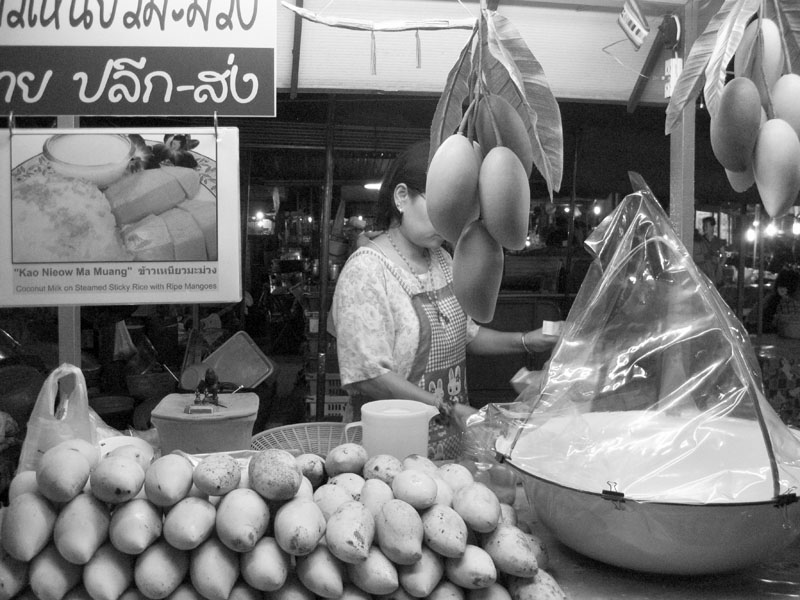

STEP BY STEP INSTRUCTIONS: HOW TO MAKE AUTHENTIC THAI MANGO STICKY RICE
- STEP 1). Rinse and soak the rice. Rinse the sticky rice at least 3 times times until the water starts to run clear (and not cloudy) and then soak the rice for 8-10 hours or overnight in cold water.
- STEP 2). Cook the sticky rice. Drain the soaked rice and place it in a strainer over a pot with a couple of inches of boiling water (see images in the article above). Cover and steam for about 20 minutes until translucent and cooked through. It will be firm and chewy but not mushy. Do not over-cook it at this point because it will continue to cook once you add it to the hot coconut milk mixture.
- STEP 3). Make the coconut milk mixture. The sauce should be ready before the rice because you will need to immediately add the hot coconut sauce to the hot sticky rice. In a small saucepan over medium heat, combine coconut milk, granulated sugar, and salt in a small saucepan. Bring the mixture to a boil. Reduce heat and simmer for 3 minutes. Reserve ¼ cup (60ml) of this mixture to serve as a sauce for later.
- STEP 4). Combine hot coconut milk sauce and rice. Place the just cooked hot sticky rice in a shallow 8-inch baking dish or pie dish. Pour the hot coconut milk mixture over the rice and toss it gently just to ensure all the rice comes into contact with the milk but do not stir it or it will become mushy. Cover the dish tightly with plastic wrap and then cover with a lid or a plate and sed aside to rest for 40 minutes, covered, without stirring. The rice will absorb the coconut milk as it sits.
- STEP 5). Make the thickened coconut sauce. Add a pinch more salt and rice flour to the saucepan with the reserved sauce (it should be a bit saltier than the sticky rice). Put the heat back on and bring it to a simmer so it thickens up. Let it cool.
- STEP 6). Serve with mango. Slice up the mango and serve the sticky rice with sliced ripe mango and extra coconut milk sauce on top. It is SO delicious!


HOW TO MAKE MANGO STICKY RICE (watch the video below in the recipe card for a full tutorial)

Wash sticky rice under cold water 3-5 times until it runs almost clear.

Drain starchy wash water off of sticky rice before leaving to soak overnight.

Steam sticky rice on a strainer over a pot of boiling water. Cover with a lid.

Flip sticky rice halfway through steaming.

Perfectly cooked sticky rice.

Gently spread out freshly steamed hot sticky rice into a dish.

Pour hot coconut milk sauce over hot steamed sticky rice.

Gently spread out the rice so it is evenly surrounded by coconut milk sauce.

Cover hot sticky rice with coconut milk sauce and let stand until thoroughly absorbed.

Gently spread out the rice so it is evenly surrounded by coconut milk sauce.

WHAT EQUIPMENT DO I NEED TO MAKE STICKY RICE?
In Thailand, the traditional way to make sticky rice is in a bamboo steamer basket set over a metal pot with boiling water that's often over a coal fire. However, you can make your own steamer at home like this (see above). Just fill a pot with about two inches of water and put your rice in a sieve over the pot. Then put the lid on, bring the water to a boil and steam away.


EXPERT TIPS FOR THAI MANGO STICKY RICE
- Rinse the rice well. It is important to get all of the excess starch off of the surface f the rice or it will be mushy instead of nice and chewy.
- Do not over cook the rice. You will still need to soak it in warm coconut milk so it will continue to cook. If it is over-steamed, it will be mushy so just watch it carefully - 25 minutes should do the trick.
- Do not reduce the sugar. As tempting as it may be, do not reduce the sugar. I'm speaking from experience and after much testing. This recipe requires a certain level of sugar, not only for sweetness, but for texture. If you reduce the sugar you will get stodgy pasty rice instead of glossy chewy rice.
- Don't skip the salt. Salt is so important in this recipe that I would consider it a main ingredient. It is so necessary for the overall flavor balance.
- Pour HOT coconut milk over the steamed rice. Make sure that the coconut milk mixture is hot and ready once the rice is ready. This will ensure that it absorbs thoroughly into the rice.
- Let the rice stand for at least 30 minutes. The rice needs time to soak up the coconut milk, so cover it and walk away for a bit. During this time the rice will soak up all of that outstanding sweet, tangy and salty coconut goodness.
- Do not stir! Under no circumstances should you stir the rice once you pour over the coconut milk. This will make it gluggy. You can flip the rice about 15 minutes into the soaking time, but do not stir.
- Get nice ripe mangos. Another HUGELY important thing is to have the most perfectly ripe, sweet Ataulfo mangoes. These are the kidney shaped ones - not the red and green mangoes from Mexico. These Ataulfos are much silkier and far less stringy or fibrous. You know they're ripe when they are gorgeously orange all around, their skin is just slightly wrinkly and they give quite a bit when you press on it. In Thailand, the only mango for this dessert is called Nam Dok Mai, but they are nearly impossible to find in supermarkets outside of Thailand. Ataulfo is a good substitute.

RECIPE FAQ
Sticky rice (or glutinous rice) is not the same rice that the Japanese use to make sushi. It is a slightly longer grain and has a more translucent appearance once steamed. It is often labeled as "Thai sweet sticky rice".
I recommend only using white sugar and maybe a bit of palm sugar for this recipe. It creates the cleanest flavor and best texture. If you don't have palm sugar, a bit of honey comes closest to having a similar flavor, however most Thai people will use all white sugar. Brown sugar will make the rice brown-colored.
I have tested this recipe many times and even learned how to make it in Thailand and I can tell you that you should not reduce the sugar. I know it seems like a lot, but the sugar is what keeps the rice sticky with that signature chewy texture. If you reduce the sugar, then the rice will be mushy. Make sure that you add the correct amount of salt listed in the recipe to help balance the sweetness. If you do not add enough salt, then it will taste too sweet. Thai desserts are all about balance of tastes.
In my experience, after soaking, Thai sticky rice takes at least 20 minutes to cook via steaming. I would say aim for 25 minutes. You'll know it is ready when the grains are chewy (not hard) and they look translucent. It is not going to be too sticky and won't feel "wet". This rice will be so individual and unique. Each grain should stand out on its own.
Look for a high quality brand of full fat coconut milk. I only use Aroy-D brand and it has about 18% fat.
The traditional way to make sticky rice in Thailand is to use a bamboo steamer basket set over a metal pot with boiling water. I own both of these items, but you do not need them to make sticky rice successfully. You can also use a Chinese bamboo steamer (ones used for steaming dumplings and bao buns) and line it with cheesecloth, or you can use a fine mesh stainless steel strainer over a pot with boiling water. This bamboo basket here comes with the cheesecloth.
Video
Mango Sticky Rice Recipe

Ingredients
Coconut Sticky Rice:
- 1 cup (200g) Thai sweet sticky rice
- 1 cup (237ml) full fat coconut milk (I only use Aroy-D brand)
- ½ cup (100g) granulated sugar*
- ½ teaspoon fine table salt plus extra for the sauce
Thickened Coconut Sauce:
- ¼ cup (60ml) sweet coconut sauce from above
- ½ teaspoon rice flour for the sauce
- pinch of salt
For serving:
- 2 ripe Ataulfo mangos peeled, removed from the pit and sliced
- 1 tablespoon toasted sesame seeds (optional)
*NOTE: see the FAQ section above on reducing sugar level
Instructions
- Rinse and soak the rice. Rinse the sticky rice 3-5 times under plenty of cold water until the water starts to run almost clear (and not cloudy). To do this, place the rice in large bowl, cover it with a couple inches of cold water and stir it around with your hand to wash off the excess starch. Drain off the starchy liquid and repeat until the water runs almost clear. Then, add fresh water to cover the rice about an inch above the surface and then let it soak for 8-10 hours or overnight.
- ALTERNATE FAST METHOD: wash and drain the recipe as described above and then cover it with 1 ½ inches of boiling water. Cover the bowl and let soak for 20 minutes.
- Cook the sticky rice. Drain the soaked rice over a fine mesh strainer and set the strainer over a pot with about an inch of boiling water (see images in the article above). Do not let the bottom of the strainer touch the boiling water. Cover and steam for 20 minutes until translucent and cooked through. Halfway through cooking (i.e. after 10 minutes) flip the rice, then cover and let steam for the remaining 10 minutes. It will be firm and chewy but not mushy. Do not over-cook it at this point because it will continue to cook once you add it to the hot coconut milk mixture.
- Make the coconut milk mixture. The sauce should be ready before the rice because you will need to immediately add the hot coconut sauce to the hot sticky rice. In a small saucepan over medium heat, combine coconut milk, granulated sugar and salt in a small saucepan. Bring the mixture to a gentle boil, then reduce heat and simmer for 3 minutes. Reserve ¼ cup (60ml) of this mixture to serve as a sauce for later.
- Place the just cooked hot sticky rice in a shallow 8-inch baking dish or pie dish and gently push it out to spread it in an even layer. Pour the hot coconut milk mixture evenly over the rice and toss it gently just to ensure all the rice comes into contact with the milk but do not stir it or it will become mushy. Cover the dish tightly with plastic wrap and then cover with a lid or a plate and sed aside to rest for 30 minutes, covered, without stirring. Uncover the rice, gently flip it over, the cover and leave it for another 10 minutes. The rice will absorb the coconut milk as it sits. Again, do not stir or it will get mushy.
- Make the thickened coconut sauce. Add rice flour and a pinch more salt to the saucepan with the reserved sauce (it should be a bit saltier than the sticky rice). Place it back on the heat and bring it to a simmer for just 30 seconds so it thickens up. Let it cool.
- When ready to serve, slice up the mango and serve the sticky rice with sliced ripe mango. Pour the thick coconut milk sauce on top and sprinkle over some toasted sesame seeds if desired. It is SO delicious!


Perfectly balanced flavor and texture!!! My little one is obsessed so this will definitely be in regular rotation for a sweet treat!
Thank you Cara!
If you want to make this dish even more authentic, ditch the sesame seeds. Thai people don't use sesame seeds in this dish - it's topped with toasted yellow mung beans (mung dal).
Hi Jack! You are right! However, they are not readily available at most grocery stores here. I often prefer not topping with either as I like the clean taste of the fruit, coconut milk and rice.